

🇷🇺🇻🇪 WHY DID RUSSIA ABANDON VENEZUELA? BECAUSE IT COULDN’T DO ANYTHING ELSE

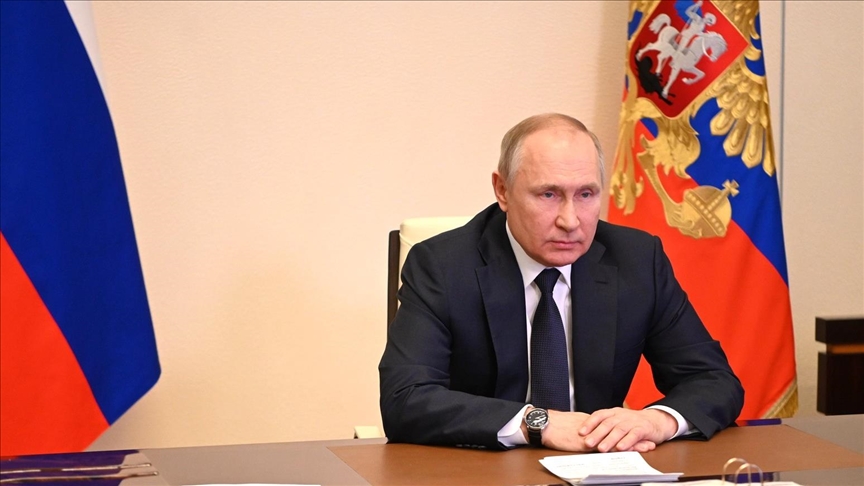
For years, Russia positioned itself as Venezuela’s security guarantor. Moscow sold Caracas air defense systems, fighter jets, and anti-ship missiles. Russian advisers trained Venezuelan forces. Putin and Maduro exchanged warm diplomatic visits. The message was clear: touch Venezuela, and you’re dealing with Russia.Then the U.S. touched Venezuela. And Russia did absolutely nothing.The Russian-made air defense systems that were supposed to protect Caracas either failed completely, got suppressed by U.S. stealth fighters, or were neutralized by whatever electronic warfare capabilities America deployed. Venezuelan Su-30 fighters, purchased from Russia and armed with Russian missiles, never got off the ground. U.S. sources say they were destroyed at their bases before they could respond.Russia tried to help. It just turned out what Russia could offer was badly insufficient.Here’s the uncomfortable reality Moscow is facing: Russia is a regional power pretending to be a global one. Its military is almost entirely committed to Ukraine. It has no meaningful capability to project force halfway around the world, especially not quickly enough to matter in a 4-hour operation.What was Russia supposed to do? Send a strongly worded letter? Deploy troops from… where exactly? Break through America’s naval and air dominance in the Caribbean with what fleet? By the time Moscow figured out what was happening, Maduro was already on a ship heading to New York.China, Iran, and Cuba faced similar problems. China opposes US military action on principle but doesn’t intervene militarily abroad under any circumstances. Its ability to project power across the Pacific remains questionable. Iran has massive domestic protests and its own potential U.S. intervention to worry about. Cuba sent bodyguards and advisers, but its military is decades outdated and poses zero threat to American forces.The brutal lesson here: spheres of influence matter more than alliances. Venezuela sits 2,000 miles from the U.S. Gulf Coast and has been firmly within America’s sphere of influence for over a century. Russia can sell weapons and offer diplomatic support, but when push came to shove, geography and capability decided everything.This is what multipolarity actually looks like. Not a coalition of rising powers checking American dominance, but regional powers operating freely within their own spheres while lacking the ability to defend clients outside them.Russia’s Venezuelan air defenses failed. Its diplomatic protests were ignored. Its inability to respond militarily was exposed for the world to see.Venezuela learned a hard lesson: Russian weapons and promises don’t mean much when you’re in America’s backyard and Washington decides to act.Source: Warfronts, Reuters, Axios, New York Times, CBS News, The Hill, Politico. HT MARIO N
Independent journalism, sustained by readers like you.
The Parliament Diary is published by The Parliament Cable Network Service Limited. Your support helps us keep covering governance, parliamentary affairs and grassroots politics across Nigeria.