

Beyond Creating State Police in Nigeria

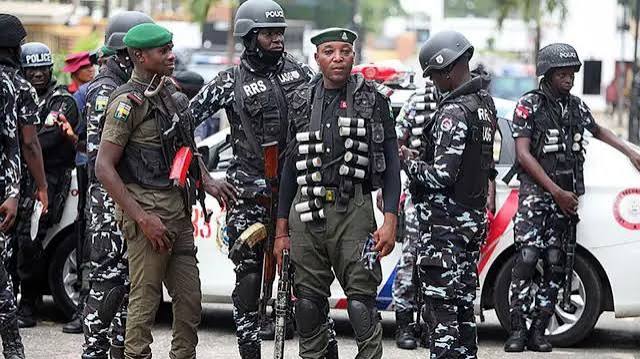
By Maashin Ibn Maashin
The national firestorm over state police in Nigeria is deafening. Politicians are debating it passionately. Academics are analyzing it rigorously. The media is covering it extensively. Citizens are discussing it anxiously. Yet, amidst this fervor, a critical question remains largely unasked: What happens after state police is created?
Creating state police is not the solution to Nigeria’s security crisis. It is merely the beginning of a much larger transformation. The real work lies in what we do beyond state police creation. If we do not address the deeper systemic issues that have plagued Nigerian policing for 112 years, state police will become just another federal police failure replicated at the state level. We will not solve the problem. We will simply move it from Abuja to state capitals.
Let’s examine what Nigeria needs beyond state police creation.
The Policing Philosophy That Must Change
The first problem is not the structure of policing—it is the philosophy. The Nigeria Police Force was designed for colonial oppression, not community service. It was created to maintain colonial authority, suppress resistance, enforce racist laws, and protect British economic interests. It was never meant to investigate crimes, protect citizens, or serve communities.
State police must not inherit this philosophy. If state governors create police forces that operate like the federal police—corrupt, brutal, disconnected from communities, used for political purposes—we have gained nothing. We have merely replicated failure at a smaller scale. The problem will persist, only now it will be 36 times worse.
State police must be built on a community-based policing philosophy. This means officers serving their own communities, being accountable to local voters rather than federal bureaucrats, prioritizing citizen protection over government control, and building trust through engagement rather than fear through force. Community-based policing recognizes that the people are partners in security, not objects to be controlled. It recognizes that police effectiveness depends on citizen cooperation, not citizen submission. It recognizes that prevention is more important than punishment, and that trust is more valuable than power.
Without this philosophical transformation, state police becomes state-level colonial policing. The officers will be different. The location will be different. The problems will remain the same.
The Oversight Mechanism That Must Exist
The second problem is oversight. The federal police has no meaningful oversight. Political interference is rampant. Corruption is institutionalized. Brutality is common. Accountability is rare. The federal police commission exists but lacks real power. Civilian review boards are weak. Whistleblower protections are nonexistent. Transparency requirements are absent. Accountability mechanisms are ineffective.
State police must have strong oversight mechanisms. Without oversight, state governors will use police for political purposes. They will target opposition members. They will protect allies. They will abuse power. They will perpetuate the same patterns of corruption and brutality that have defined federal policing for over a century.
We need independent oversight bodies at state levels that can investigate misconduct, hold hearings, and recommend discipline. We need civilian review boards that monitor police conduct, review complaints, and recommend reforms. We need whistleblower protections for officers who report abuse, corruption, or misconduct. We need transparency requirements for police operations and spending, including public reporting of budgets, operations, and disciplinary actions. We need accountability mechanisms that punish misconduct, including criminal prosecution for serious violations, civil liability for victims of abuse, and systemic reform when patterns emerge.
Without these oversight mechanisms, state police becomes state authoritarianism. The governors will have more power to abuse citizens. The police will have more freedom to violate rights. The citizens will have less protection from government abuse. This is not security. This is tyranny.
The Training Standards That Must Apply
The third problem is training. Federal police officers receive inadequate training. Anti-corruption education is weak. Community policing skills are poor. Human rights awareness is minimal. Legal knowledge is limited. Tactical skills are outdated. Professional ethics are poorly taught. Officers are sent to the streets without proper preparation.
State police must have federal minimum standards. We cannot have 36 different training standards. We cannot have some states training officers properly while others send them to the streets unprepared. We cannot have variation in quality that creates gaps in effectiveness.
National standards must include minimum training duration of 12 to 18 months for all officers. Core curriculum must cover law, ethics, human rights, and community policing. Continuous education must be provided throughout officers’ careers. Certification requirements must be established that all officers must meet before assignment. Independent auditing of training programs must ensure quality and consistency.
Without these standards, we create 36 dysfunctional police forces. Some will be effective. Most will be ineffective. The gaps will create security vacuums. Criminals will exploit the weaknesses. Citizens will suffer from inadequate protection.
The Funding Model That Must Be Guaranteed
The fourth problem is funding. The federal police is underfunded despite security being a national priority. Equipment is outdated. Technology is primitive. Resources are scarce. Salaries are inadequate. Benefits are insufficient. Recruitment is limited. Retention is poor. Training is inadequate. All of these problems stem from insufficient funding.
State police must have guaranteed funding. States cannot fund police effectively if they are drowning in debt. Nigeria’s states collectively owe $5.75 trillion, which is approximately ₦7.93 quadrillion at the current exchange rate . Many cannot pay salaries. Many rely on federal allocations. Many cut essential services. Many cannot fund police adequately.
We need conditional funding from federal government for state police. This funding must be tied to specific requirements, including training standards, oversight mechanisms, and accountability measures. We need dedicated revenue sources for state police budgets, including special taxes or allocations that cannot be cut. We need performance-based funding tied to security outcomes, rewarding states that reduce crime and punishing states that fail. We need federal grants for equipment and technology, ensuring all states have modern resources. We need audit requirements for police spending, ensuring transparency and preventing corruption.
Without funding guarantees, state police becomes an empty promise. States will create police forces but cannot fund them. Officers will be underpaid. Equipment will be outdated. Training will be inadequate. Operations will be ineffective. The police will exist but will not function.
The Coordination Framework That Must Function
The fifth problem is coordination. Federal police does not coordinate well with state agencies. Interstate crimes are mishandled. Joint operations are chaotic. Information sharing is poor. Command structures are unclear. Responsibilities are overlapping. Conflicts are frequent. Efficiency is low.
State police must coordinate with federal police. We need a dual system where federal and state police work together, not compete, not conflict, not duplicate. Federal police handles national security, interstate crimes, organized crime, and federal capital territory security. State police handles local security, intra-state crimes, community crime, and state security. Both must work together.
Coordination requires joint operations protocols for cross-border crimes. Information sharing systems between federal and state agencies must exist. Data integration for criminal tracking and intelligence is essential. Unified command structures for major operations must be established. Inter-agency training to build relationships must occur regularly.
Without coordination, we create chaos. Federal and state police will compete. Operations will be duplicated. Information will not be shared. Crimes will go unpunished. Criminals will exploit the gaps. Citizens will suffer from inadequate protection.
The Accountability Culture That Must Prevail
The sixth problem is accountability. Federal police officers are rarely held accountable for misconduct. Corruption goes unpunished. Brutality goes unaddressed. Death goes uninvestigated. Rights violations go uncompensated. Patterns of abuse go unreformed. The system protects officers, not citizens.
State police must have accountability culture. We need officers who know they will be punished for abuse. We need citizens who know they can report misconduct. We need accountability that is real, not theoretical. We need consequences that are meaningful, not symbolic.
Accountability requires independent investigations of police misconduct by bodies that are separate from police departments. Public reporting of disciplinary actions so citizens can see what happens. Criminal prosecution for serious violations that send officers to prison. Civil liability for victims of abuse that provides compensation. Systemic reform when patterns emerge that changes the system.
Without accountability culture, we create impunity. Officers will know they can abuse without consequences. Citizens will know they cannot report with protection. The system will protect officers, not citizens. This is not justice. This is tyranny.
The Community Engagement That Must Happen
The seventh problem is community engagement. Federal police does not engage with communities. Officers are isolated from citizens. Trust is low. Cooperation is rare. Prevention is weak. Response is slow. Intelligence is poor. All of these problems stem from isolation.
State police must engage communities actively. Community-based policing means officers working with citizens to solve problems. Not just arresting criminals. Not just responding to calls. Building relationships. Understanding needs. Preventing crime. Protecting citizens.
Engagement requires regular community meetings between officers and residents where concerns are discussed and solutions are developed. Youth programs that build relationships with young people before they become criminals. Business partnerships that create neighborhood security networks where merchants and officers work together. Victim support services that help those harmed by crime. Prevention programs that address root causes of violence, including poverty, unemployment, and inequality.
Without engagement, we create isolation. Officers will not know citizens. Citizens will not trust officers. Cooperation will be rare. Crime will increase. This is not security. This is emptiness.
The Technology Integration That Must Occur
The eighth problem is technology. Federal police uses outdated weapons, old vehicles, and primitive communication systems. Intelligence gathering is manual. Data analysis is slow. Response times are delayed. Operations are inefficient. Criminals are professional. Police are amateur.
State police must integrate modern technology. We cannot fight 2026 criminals with 1960s equipment. We need technology that matches the threat. We need weapons that protect officers. Vehicles that respond quickly. Communication systems that coordinate operations. Intelligence tools that track criminals. Data platforms that analyze patterns.
Technology requires modern weapons and protective equipment that ensure officer safety. Advanced vehicles for rapid response that reach citizens quickly. Digital communication systems for coordination that link all officers. Intelligence gathering tools for criminal tracking that identify suspects. Data analysis platforms for pattern recognition that predict crime.
Without technology, we create vulnerability. Officers will be unprotected. Response will be slow. Crimes will go unpunished. Criminals will escape. This is not security. This is weakness.
The Human Rights Protection That Must Be Guaranteed
The ninth problem is human rights. Federal police has violated human rights for decades. Arbitrary arrests. Torture. Extrajudicial killings. Disappearances. Corruption. Brutality. Abuse. All of these violations stem from a system that does not respect rights.
State police must protect human rights. This is non-negotiable. Police cannot be human rights violators. They must be human rights protectors. Citizens must be protected, not abused. Rights must be respected, not violated.
Human rights protection requires constitutional safeguards for citizen rights that define what police can and cannot do. Legal training on human rights standards that teaches officers what rights exist. Independent monitoring of police conduct that ensures compliance. Victim compensation for rights violations that provides justice. Systemic reform when violations occur that changes the system.
Without human rights protection, we create tyranny. Officers will abuse citizens. Rights will be violated. Violence will increase. Trust will disappear. This is not security. This is oppression.
The Political Independence That Must Be Respected
The tenth problem is political independence. Federal police is used for political purposes. Opposition members are targeted. Government critics are harassed. Elections are manipulated. Power is protected. Citizens are abused.
State police must be politically independent. Police cannot serve political masters. They must serve citizens. They must enforce laws, not political agendas. They must protect rights, not government interests.
Political independence requires appointment protections that prevent political interference in officer selection. Operational independence for police decisions that prevents political control of operations. Prohibition on political use of police that prevents abuse for political purposes. Transparency in police operations that ensures public oversight. Accountability for political interference that punishes violations.
Without political independence, we create dictatorship. Police will serve government, not citizens. Rights will be violated. Violence will increase. Trust will disappear. This is not security. This is tyranny.
The Regional Cooperation That Must Develop
The eleventh problem is regional cooperation. States do not cooperate with each other. Bandits cross borders. Criminals move between states. Crimes span regions. Intelligence is fragmented. Operations are isolated. Gaps exist.
State police must cooperate across regions. We need regional security networks. States sharing information. Joint operations across borders. Intelligence networks that span regions. Coordination that prevents criminals from exploiting gaps.
Regional cooperation requires inter-state agreements for crime prevention that formalize cooperation. Joint task forces for cross-border operations that enable coordinated action. Shared databases for criminal tracking that link state systems. Communication protocols for regional coordination that ensure effective communication. Training programs for inter-state officers that build relationships.
Without regional cooperation, we create gaps. Criminals will exploit the gaps. Crimes will go unpunished. Citizens will suffer. This is not security. This is fragmentation.
The Conclusion That Must Be Clear
Creating state police is not the end. It is the beginning. The real work is what happens beyond creation. If we do not address philosophy, oversight, training, funding, coordination, accountability, engagement, technology, human rights, political independence, and regional cooperation, state police will fail.
We cannot create 36 dysfunctional police forces. We cannot replicate federal police failure at state level. We cannot abandon the real reforms.
State police is necessary. But it is not sufficient.
Beyond state police creation, Nigeria needs community-based philosophy instead of colonial oppression. Strong oversight mechanisms instead of political interference. Federal training standards instead of inadequate preparation. Guaranteed funding instead of empty promises. Functional coordination instead of chaotic competition. Real accountability culture instead of theoretical enforcement. Active community engagement instead of isolated officers. Modern technology integration instead of outdated equipment. Guaranteed human rights protection instead of systematic violations. Respected political independence instead of political manipulation. Developed regional cooperation instead of fragmented response.
The question is not whether we need state police. The question is: are we ready to do the real work beyond creation?
The answer must be yes. Because without the real work, state police becomes just another failure.
The time for state police is now. But the time for real reforms is also now.
We cannot wait. We cannot compromise. We cannot abandon the work.
Beyond state police creation lies Nigeria’s security future. And that future depends on what we do beyond creation.
The question is simple: Are we ready?
The answer must be yes. Because Nigeria’s security depends on it.
Independent journalism, sustained by readers like you.
The Parliament Diary is published by The Parliament Cable Network Service Limited. Your support helps us keep covering governance, parliamentary affairs and grassroots politics across Nigeria.