
ZULUMS #50 NAIRA BUS FARE: A MODEL OF LEADERSHIP IN A TIME OF ECONOMIC STRAIN

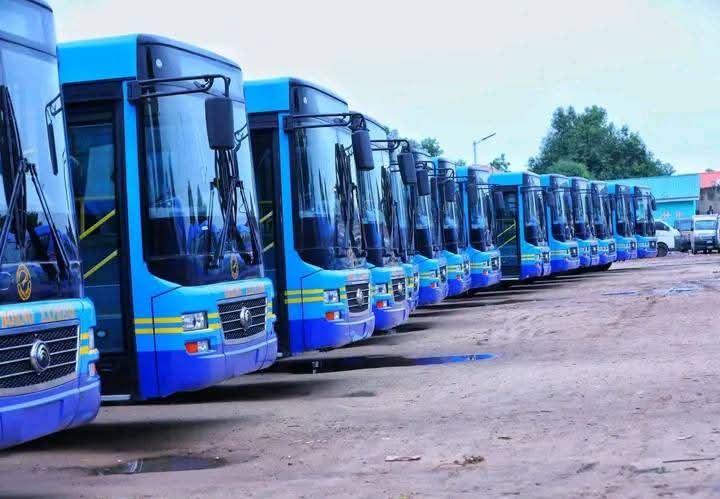
In a time when economic hardship bites harder with every passing day, one state in Nigeria stands as a shining example of responsive governance, Borno State. Under the leadership of Professor Babagana Umara Zulum, the people are still enjoying public transportation at a flat rate of ₦50 per drop, regardless of the distance. This, despite the removal of fuel subsidy and the corresponding spike in transportation costs nationwide.
While commuters across Delta and many other states struggle daily with soaring fares, the people of Borno enjoy what can best be described as a rare gesture of empathy from their governor. It is not just governance; it is leadership steeped in understanding, sacrifice, and consideration for the common man. Governor Zulum has once again demonstrated that responsive leadership is not a myth, it is possible.
Across Nigeria today, transportation costs have skyrocketed. From Lagos to Delta, residents recount daily experiences that stretch both pocket and patience. In Lagos, for instance, a ride from Mile 2 to Oshodi costs as high as #3,000, a route not half as long as some within Borno that still cost just ₦50. The disparity tells a deeper story about governance priorities.
The situation in Delta State paints an even starker picture. A commuter recently shared their ordeal, paying ₦3,000 just to move from Kwale to Asaba, and take Okada N2,000 from Iselegu Junction to Utagba-Uno junction, These figures suggest either a complete breakdown in regulatory oversight or a silent admission that the people are left to fend for themselves in a country that should be looking out for them.
It leaves one wondering, are our roads now paved in gold, or are our buses powered by aviation fuel? The outrageous fares leave a sour taste in the mouths of ordinary citizens trying to survive in an already harsh economy. The inconsistency across states also raises serious questions about the absence of unified transportation policy frameworks post subsidy.
Governor Zulum’s policies stand in sharp contrast to this bleak narrative. By maintaining the ₦50 fare, his government is not only cushioning the economic impact of subsidy removal but also preserving the dignity of his people. It is no wonder Borno State continues to earn praise, not just for security reforms and infrastructural strides, but for human centered leadership.
This level of foresight and compassion is rare in our political climate. Many governors have folded their arms and blamed everything on subsidy removal, yet Zulum proves that with the right priorities, even limited resources can go a long way in serving the people. It’s about making hard choices that favour the masses.
We must ask: where else in Nigeria can you find such practical consideration for the average citizen? Zulum’s transport subsidy is more than a political decision; it is a moral one. It acknowledges the struggles of the people and meets them where they are, a quality sorely missing in many leadership circles today.
As other state governments continue to grope for answers, perhaps it is time they looked to Borno for inspiration. In Professor Zulum, we see not just a governor, but a template for governance that works. If Nigeria had more leaders like him, the distance between government and the governed would be far less painful to travel.
Independent journalism, sustained by readers like you.
The Parliament Diary is published by The Parliament Cable Network Service Limited. Your support helps us keep covering governance, parliamentary affairs and grassroots politics across Nigeria.